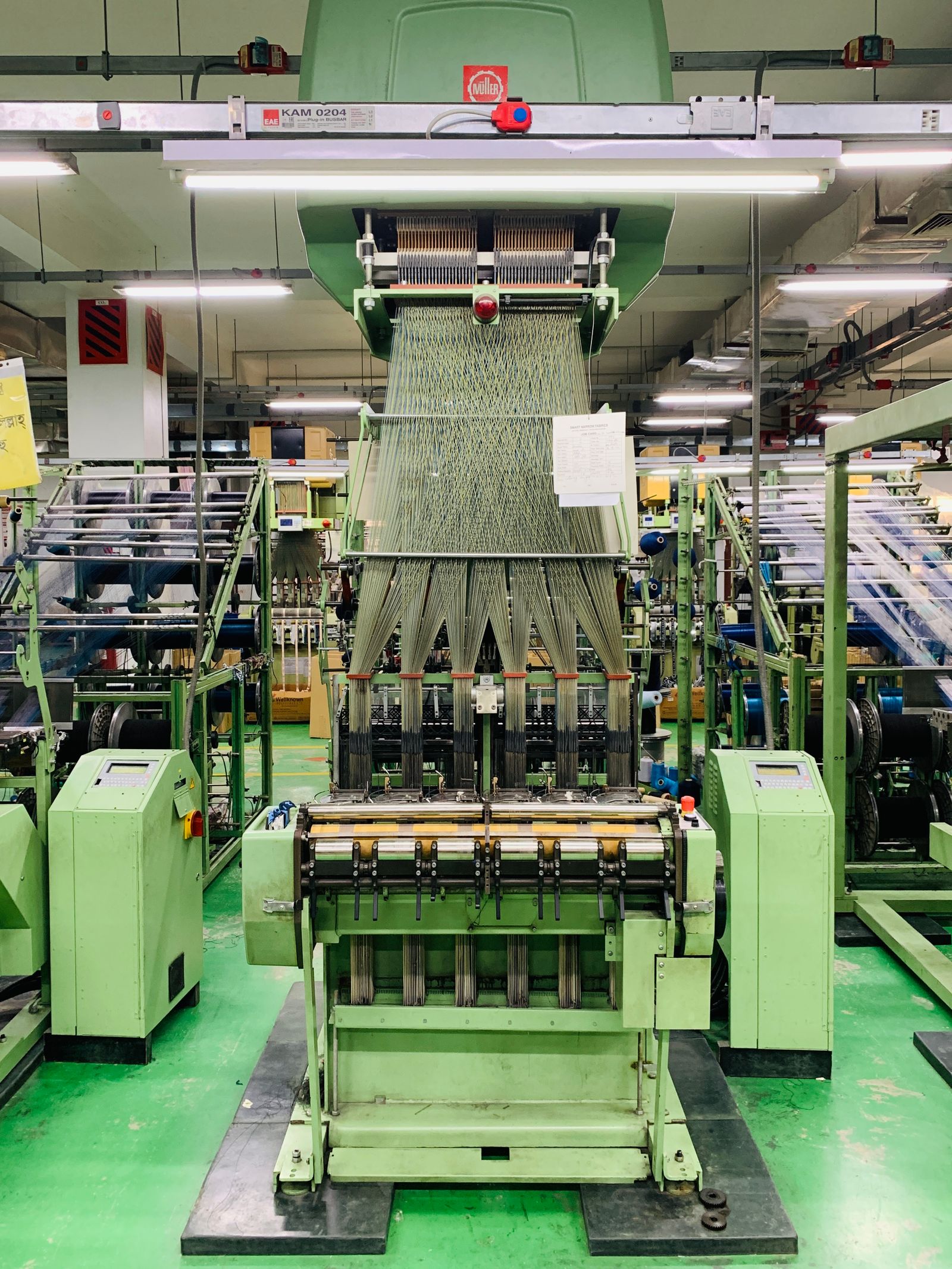
Photo via Pexels
Large fashion retailers cannot inspect their way to compliance. A group like Inditex, which owns Zara and Pull & Bear, or a retailer like Mango works with factories spread across dozens of countries, and the environmental impact of a garment is concentrated in a stage most customers never see: wet processing, meaning dyeing, printing, washing and finishing. Both retailers have responded by building systems that factories must plug into, rather than relying on periodic visits alone.
This piece looks at how each retailer approaches the problem, based on their public standards, and what that means for a factory in Bangladesh that wants to supply them.
The Problem: Visibility Beyond the First Factory
A finished garment may pass through a sewing factory, a fabric mill, a dye house and a laundry, each of which can sit under a different owner. The sewing factory is usually the only one a retailer deals with directly, yet wet processing is where most chemical use and water consumption occurs. A retailer that cannot see past the first tier cannot make credible claims about the rest.
How Inditex Tackles It
Inditex sets mandatory environmental requirements for the facilities that work with it, grouped around water, waste, chemicals and carbon under its 2024–2027 supply chain environmental transformation plan. Three elements stand out.
A ranked standard for wet-process mills. Its Green to Wear standard covers pre-treatment, dyeing, printing, finishing and washing. Mills that miss certain criteria can still be approved, but only under a corrective action plan. The criteria are practical: working flow meters on incoming and discharged water, monthly records of water consumption, and water use that can be broken down by process.
Chemical thresholds. Under its 2025 update, 70 percent of the chemicals in a wet-processing supplier's inventory must meet ZDHC Level 3 criteria, and for water-repellent finishes the requirement is 100 percent, a measure aimed at PFAS risk.
Water limits that keep moving. In July 2026 Inditex reset the "excellent" tier of its Care for Water programme. Continuous processes such as dyeing, printing and washing now face tighter limits, while ceilings were eased for some especially water-intensive operations, including denim laundries. Inditex reports that it cut unit water consumption in its supply chain by more than 25 percent between 2020 and 2025.
It also expects suppliers to know their own supply chain: they must work only with manufacturers and intermediaries that Inditex has previously assessed and authorised, and notify every facility involved, from fibre or yarn to finished garment.
How Mango Tackles It
Mango takes a similar systems approach. Wet-process suppliers are expected to share their chemical inventories through the ZDHC Gateway and to submit chemical performance reports and wastewater test results, with targets set for 2030. The retailer has been sampling wastewater from supplier factories with NGOs and expert laboratories since 2012, and its testing has included factories in Bangladesh.
On visibility, Mango publishes its tier 1, tier 2 and tier 3 factory lists, which it describes as a first among Spanish fashion brands, and it requires suppliers to provide traceability for the materials and processes behind each product.
What This Means for a Factory in Bangladesh
The common thread is that compliance now depends on documented systems, not a single certificate on the wall. A factory needs:
- A chemical inventory it can document by product and batch, mapped against ZDHC requirements
- Metered water in and out, with monthly records
- Wastewater testing results it can produce on request
- A declared and controlled list of every facility involved in an order
Bangladesh is well placed for this. It has more LEED-certified garment factories than any other country, and the investment in effluent treatment, water reuse and monitoring that comes with that status is exactly the infrastructure these standards reward. But the paperwork has to keep pace with the equipment, and the standards keep getting stricter.
A retailer's standards are only as strong as a factory's records. The equipment can be world class and the order can still be at risk if the documents are not there.
Three Questions Worth Asking Any Sourcing Partner
- Can the factory show its chemical inventory and ZDHC conformance, not just a general certification?
- Does it meter and record water use, and can it show wastewater test results?
- Is every facility on your order declared, including subcontractors?
A factory that answers these confidently is ready for the standards the largest retailers apply. A factory that hesitates is a risk before the order is even placed.
Want to know how your factory network measures up?
Get in touch to discuss compliance across your production network.
Get in touch