Photo via Pexels
Bangladesh's reputation in global fashion was built on a story from more than a decade ago: a low-cost, high-volume manufacturing base, valuable for its scale but rarely discussed in terms of innovation. That story is out of date. The industry that exists today — measured in green building certifications, product diversification, and where the country is directing its next decade of investment — looks less like a country defending a cost advantage and more like one building toward a genuinely different position in the global supply chain.
This piece looks at where that shift is actually showing up: in green manufacturing, in the move beyond basic cotton garments, in the pressure of LDC graduation, and in what it means for a buyer deciding where to place production for the next several years, not just the next order.
The World's Largest Green Manufacturing Base
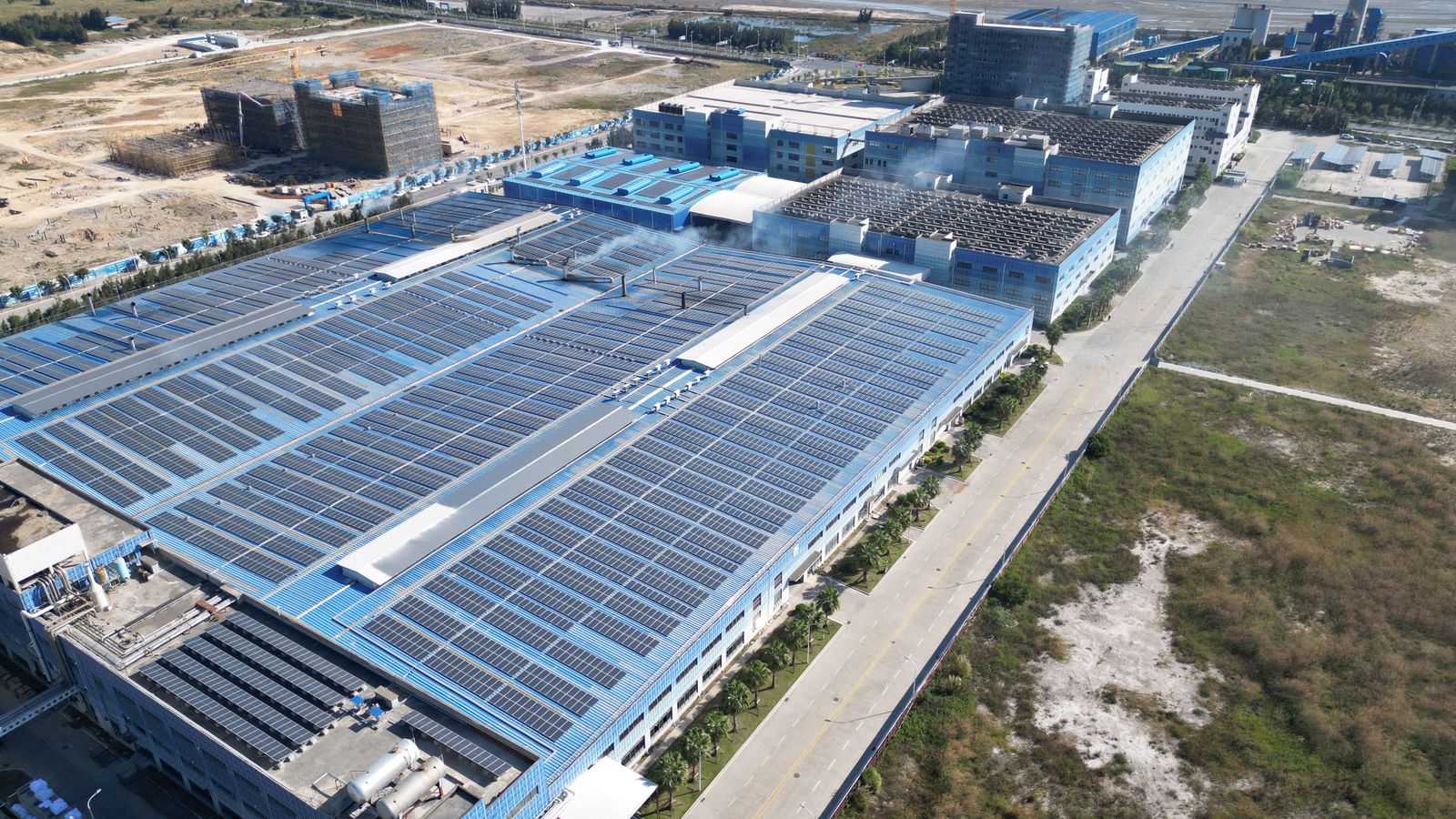
Bangladesh now has more LEED-certified garment factories than any other country in the world, with the total having crossed 280 facilities, including well over half of the world's top 100 highest-scoring LEED-certified factories globally. This is not a marginal statistic — it reflects sustained, sector-wide investment in energy efficiency, water conservation, and sustainable building practices, much of it accelerated in the years following the Rana Plaza tragedy as the industry rebuilt its international standing around safety and sustainability rather than price alone.
For buyers facing increasing regulatory pressure around supply chain sustainability — including frameworks like the EU's Corporate Sustainability Due Diligence Directive — a factory base with this density of independently verified green certification is a genuine structural advantage, not a marketing claim layered on top of unchanged operations.
Moving Beyond Basics: The Shift to Man-Made Fibers and Technical Textiles
Bangladesh's manufacturing base has historically been built around cotton knitwear and wovens — reliable, high-volume, but limited in margin. The industry's next phase is explicitly targeting a shift toward man-made fiber (MMF) and technical textiles, with industry bodies targeting a meaningful increase in MMF-based garment production by 2030 to capture higher-margin categories like sportswear and performance activewear.
This shows up in what factories are now capable of producing beyond basic t-shirts and simple wovens: complex outerwear, technical activewear, high-end lingerie, and premium denim are increasingly part of the country's export mix, alongside continued strength in the categories the industry has always been known for.
What LDC Graduation Is Forcing the Industry to Become
Bangladesh's graduation from Least Developed Country (LDC) status changes the trade preference landscape the industry has relied on for decades, removing some of the tariff advantages that came with that classification. Rather than treating this purely as a headwind, the industry's public response has centered on using the transition as pressure to upgrade — toward higher productivity, higher-value products, and diversified markets beyond the traditional EU and US buyer base, including a push into non-traditional markets like Japan, Australia, and India.
A February 2026 trade agreement with the United States points the same way. It sets a 19 percent headline US tariff on Bangladeshi goods and provides for zero-tariff treatment of a capped volume of apparel made with US cotton or man-made fibre, with the cap tied to how much US input Bangladesh imports. Implementation details have been reported as still being worked out, and the garment manufacturers' association has urged the government to negotiate a waiver of the 10 percent duty on garments made with those US fibres. Buyers should treat the benefit as a developing opportunity rather than a settled one, but it shows the industry adjusting its trade position as it moves past its LDC-era arrangements.
An industry under pressure to upgrade behaves differently than one coasting on a cost advantage. Bangladesh's garment sector is visibly doing the former.
Why This Matters for Buyers Choosing a Sourcing Partner Today
For a brand evaluating where to place production over the next several years, this trajectory matters more than any single season's pricing. A factory base investing in automation, backward linkage (local yarn and fabric production), and technical textile capability is positioning itself for buyers who need more than basic cut-and-sew — and buyers who source there today can benefit from capability that continues to expand rather than a base that has already plateaued.
It also means the question worth asking a sourcing partner is no longer just "can this factory make my product cheaply," but "does this factory's trajectory match where my product category is headed" — whether that's technical performance wear, sustainable materials, or simply a compliance standard that will only get stricter.
How ansco. Positions Clients for What's Next
For buyers working with ansco., factory selection increasingly weighs this trajectory directly — favoring partners investing in green certification, technical capability, and backward linkage, rather than optimizing purely for today's unit cost. Bangladesh's garment industry is not finished being a low-cost manufacturing base; it is becoming something in addition to that, and the buyers positioned earliest in that shift are the ones best placed to benefit from it as the country's capability continues to move upmarket.
Thinking beyond this season's order?
Talk to ansco. about sourcing from factories positioned for where Bangladesh's industry is headed.
Get in touch